In the era of digital transformation, the critical infrastructure that underpins our society’s functioning—particularly water and power systems—is increasingly becoming a target for cyber attacks. The West, with its intricate network of utilities and digital dependencies, is particularly vulnerable. This article delves into the current state of cybersecurity in Western water and power infrastructure, highlighting the risks, potential impacts, and the urgent need for enhanced security measures.
A Growing Threat Landscape
The threat to water and power infrastructure is not hypothetical—it is real and evolving. Recent incidents have shown that cyber attackers are becoming more sophisticated, targeting the very systems that sustain urban and rural life. In 2021, a major cyberattack on a water treatment facility in Florida nearly led to a catastrophic release of lye into the drinking water. Similarly, the power grid has been subject to numerous attacks, demonstrating the potential for widespread disruption.
Vulnerabilities in the System
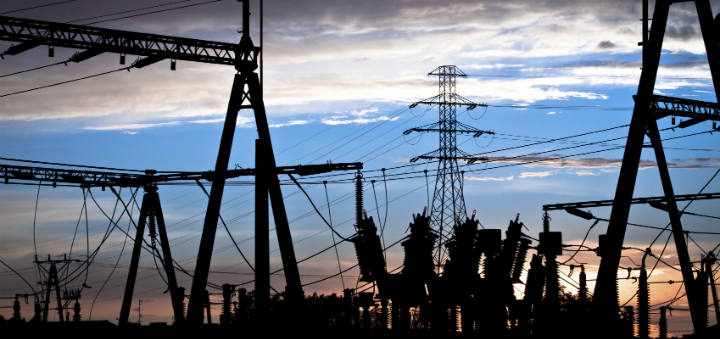
Several factors contribute to the vulnerability of water and power systems in the West:
- Outdated Infrastructure: Many utility systems operate on legacy technology that was not designed with modern cybersecurity threats in mind. These systems are seldom updated due to their reliability and critical reliance on providing populations the means to live however this also makes them vulnerable to new and more sophisticated attacks that they were never designed to withstand.
- Interconnectivity and Complexity: The increasing interconnectivity of systems, while beneficial for efficiency, also creates more entry points for cyber attackers.
- Lack of Standardized Security Protocols: The absence of universally adopted cybersecurity standards for critical infrastructure leaves gaps in defenses.
- Insufficient Cybersecurity Expertise: There is often a lack of specialized cybersecurity expertise within utility organizations, hindering effective response to threats.
The Consequences of a Cyber Breach
The impact of a successful cyber attack on water and power infrastructure can be devastating. It can lead to:
- Health Risks: Contamination of water supplies or failure in water treatment processes.
- Economic Disruption: Prolonged power outages can halt businesses and lead to significant economic losses.
- Social Unrest: Lack of access to basic utilities can lead to public unrest and a loss of trust in public institutions.
In fact there has been several very recent cyber-attacks on critical infrastructure in the West already. These examples should be held up as a lesson to every government that we need to invest serious money and resources into strengthening our ability to resist these kind of attacks.
- Colonial Pipeline Attack (2021): In the United States, the Colonial Pipeline, a major fuel pipeline, was hit by a ransomware attack. This attack, attributed to a cybercriminal group known as DarkSide, led to the temporary shutdown of the pipeline, causing widespread fuel shortages and a spike in gasoline prices across the Eastern United States.
- Oldsmar Water Treatment Facility Attack (2021): A water treatment plant in Oldsmar, Florida, was breached by a hacker who attempted to poison the water supply by increasing the amount of sodium hydroxide (lye) to dangerous levels. The attack was thwarted by an alert employee who noticed the anomaly and took immediate action.
- German Hospital Ransomware Attack (2020): A ransomware attack targeted the University Hospital Düsseldorf in Germany, leading to significant disruption of hospital operations. This attack indirectly led to a patient’s death when she had to be rerouted to a more distant hospital due to the attack.
Steps Towards a Secure Future
To mitigate these risks, several steps must be taken:
- Investment in Modern Infrastructure: Upgrading to more secure, modern systems is crucial.
- Implementation of Robust Security Protocols: Developing and adhering to stringent cybersecurity protocols across the sector.
- Regular Security Audits and Monitoring: Continuous monitoring and regular audits can help detect and mitigate threats early.
- Cross-Sector Collaboration: Sharing information and best practices between industries and with government agencies can strengthen overall cybersecurity posture.
- Training and Awareness Programs: Educating staff at all levels about cybersecurity risks and best practices is vital.
Conclusion
The Western world’s water and power infrastructure stands at a critical juncture. As the threat of cyber attacks grows, so does the need for comprehensive and proactive measures to protect these essential services. The cost of inaction is high, and the time to fortify our digital defenses is now. By embracing technological innovation, stringent security protocols, and collaborative approaches, we can shield our critical infrastructure from the cyber threats of the 21st century.


 V3ndta Cybersecurity
Leave a comment