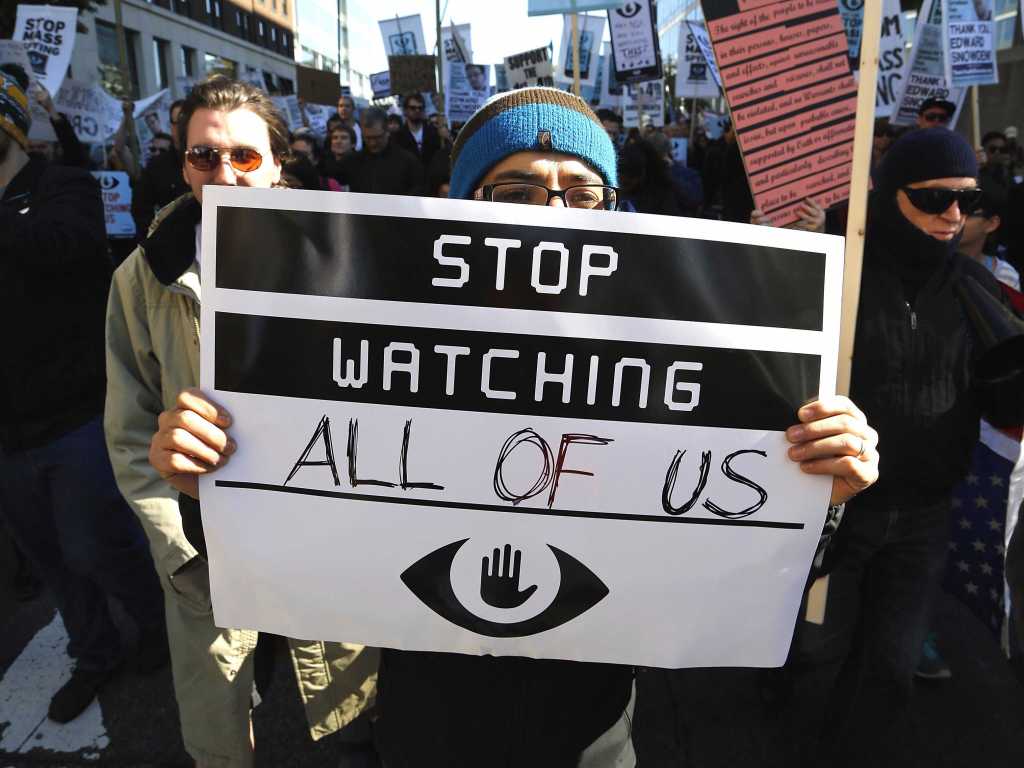
Privacy as a human right is a concept deeply embedded in international law and various national legal systems. It is recognized as a fundamental right, essential for the dignity and autonomy of individuals however governments have seen fit to curtail this right when they feel it is inconvenient for them. This means that to these governments privacy is not a right, its a permission that they can take away whenever they feel like it.
Definition of Privacy
Privacy is the right of individuals to keep their personal affairs and personal information out of public view and control the dissemination of information about themselves. It encompasses various aspects, including bodily integrity, personal data protection, and the right to private communication.
Legal Recognition
- International Law: The Universal Declaration of Human Rights (UDHR), adopted by the United Nations in 1948, acknowledges privacy as a fundamental human right in Article 12. Similarly, the International Covenant on Civil and Political Rights (ICCPR), effective from 1976, reiterates this right in Article 17.
- Regional Laws: Various regional human rights instruments, such as the European Convention on Human Rights (Article 8), also recognize the right to privacy.
- National Constitutions: Many countries have enshrined the right to privacy in their constitutions, making it a legally protected right that governments must respect and protect.
Government intervention
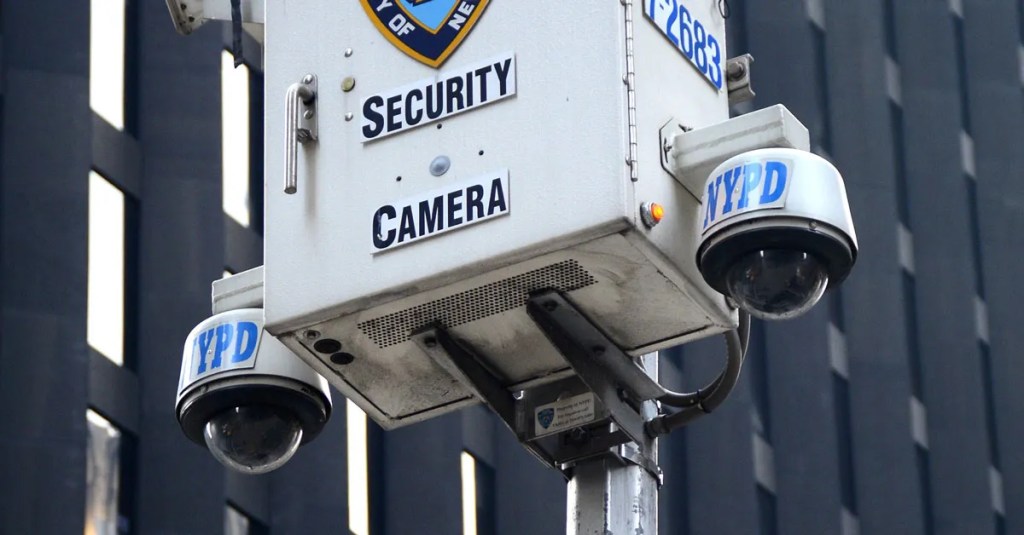
Various governments around the world have legal frameworks that allow them to encroach on the right to privacy under specific circumstances, often justified by the needs of national security, public safety, or law enforcement. While the right to privacy is broadly recognized as a fundamental human right, it is not absolute and can be subject to limitations. These limitations are generally supposed to be necessary, proportionate, and in accordance with the law.
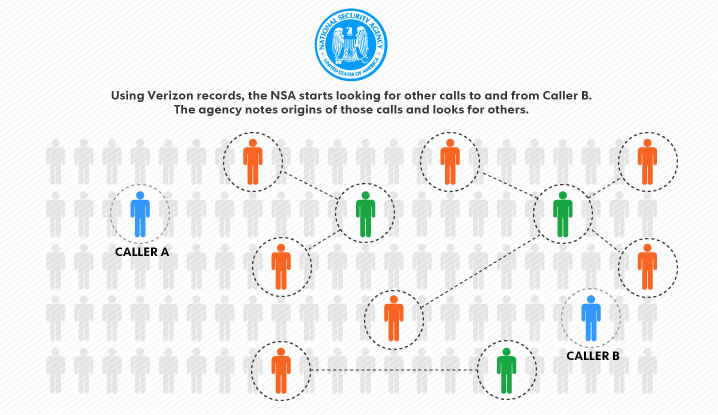
Governments may invoke laws related to counter-terrorism, crime prevention, and public health to conduct surveillance, monitor communications, and access personal data. For instance, in the interest of national security, a government might engage in the bulk collection of telecommunications data or use advanced technologies like facial recognition for surveillance purposes. Similarly, during public health emergencies, such as a pandemic, governments may implement tracking and data collection measures to contain the spread of disease.
It’s important to note that these legal allowances for privacy infringement are subject to ongoing debates and scrutiny. The key concerns revolve around ensuring that such measures are not overly intrusive, are applied in a non-discriminatory manner, and have adequate oversight to prevent abuse. The balance between maintaining individual privacy rights and addressing broader societal concerns remains a pivotal and often contentious aspect of contemporary governance and legal discourse.
The Legal Basis for Privacy Invasion
National Security as Justification: The concept of “national security” often serves as a primary justification for government actions that may invade individual privacy. National security is broadly defined as the safety and defense of a nation against threats such as terrorism, espionage, or military attacks. Governments argue that ensuring the security and wellbeing of their citizens sometimes necessitates the monitoring and surveillance of communications and activities, which might otherwise be considered private.
Balancing Act: The challenge lies in balancing the need for security with the protection of individual rights. This balance is vital for maintaining democratic principles and preventing the erosion of civil liberties. Governments must ensure that any invasion of privacy in the name of national security is legal, necessary, proportionate, and subject to oversight to prevent abuse.
Counter-Terrorism Laws and Privacy
Surveillance and Data Collection: In response to the global threat of terrorism, many countries have enacted laws that allow for expanded surveillance and data collection. These laws often permit the monitoring of phone calls, emails, and internet activity, as well as the collection of personal data, sometimes without the individual’s knowledge or consent.
Criticism and Concerns: These laws have faced criticism for potentially overreaching and infringing on civil liberties. Critics argue that they can lead to unwarranted privacy invasion of ordinary citizens, often without sufficient judicial oversight or transparency.
Monitoring for Law Enforcement
Rationale: Beyond national security, law enforcement agencies are empowered to monitor and collect data for the purposes of crime prevention, investigation, and prosecution. This includes monitoring for activities such as drug trafficking, organized crime, and cybercrime.
Legal Frameworks: Laws around the world vary in how they regulate law enforcement access to private data. Typically, these laws require some level of judicial oversight or the issuance of warrants based on probable cause.
Technological Tools: Modern law enforcement agencies use a variety of technological tools for monitoring, including wiretaps, GPS tracking, and access to digital communication records. The use of such tools is typically governed by legal standards that are meant to balance law enforcement needs with privacy rights.
Accountability and Oversight: An essential component of these laws is the mechanism for oversight and accountability. This includes judicial review, legislative oversight, and in some cases, independent bodies that audit and report on the use of these powers.
Global Privacy Laws and the Balancing Act of Surveillance
Here we will break down just a few of the draconian laws in some of the worlds most powerful countries that allow their governments to invade your privacy.
USA: The Patriot Act and Surveillance Expansion
- Background: The Patriot Act was enacted in the USA following the September 11, 2001, terrorist attacks.
- Key Provisions: It expanded the government’s surveillance capabilities, including eased restrictions on law enforcement agencies to gather telephone, email communications, medical, financial, and other records.
- Privacy Concerns: The act has been a subject of intense debate regarding its impact on civil liberties, particularly regarding the surveillance of citizens without warrants.
China: Cybersecurity Laws and Government Data Access
- Overview: China’s cybersecurity laws are part of its broader initiative to control and monitor internet usage within its borders.
- Government Access to Data: These laws mandate companies to store data locally and provide the government with access for national security and law enforcement purposes.
- Impact on Privacy: The broad scope of government surveillance and censorship under these laws raises significant concerns about individual privacy and freedom of expression.
Russia: Internet Control and Surveillance Laws
- Legislative Framework: Russia has implemented strict laws governing internet use, aimed at controlling the flow of information and monitoring user activities.
- Surveillance Measures: The laws include requirements for data localization, provisions for the government to access user data, and the capability to isolate the national internet infrastructure.
- Privacy Implications: These measures have been criticized for violating privacy rights and limiting freedom of speech online.
United Kingdom: The Investigatory Powers Act
- Act Overview: Commonly known as the “Snooper’s Charter,” this act gives UK intelligence agencies extensive surveillance powers.
- Data Collection Capabilities: It allows for the bulk collection of telecommunications data and requires internet service providers to keep a record of users’ internet activity.
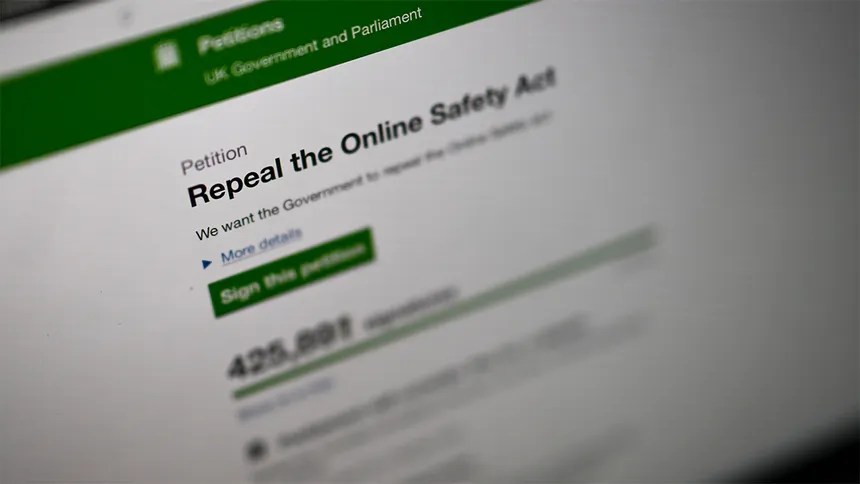
- Debate on Privacy: This act has been the subject of much debate and legal challenges, particularly concerning the extent of surveillance it authorizes and its impact on privacy.

Technologies role in government surveillance
As governments increasingly employ advanced technologies for surveillance purposes, the need for vigilant oversight and robust legal frameworks to protect individual privacy becomes ever more critical. The balance between leveraging technology for national security and safeguarding privacy rights is delicate and requires ongoing dialogue, innovation, and adaptation in legal and ethical norms.
Advancements in Surveillance Technologies: The rapid advancement in technology has significantly enhanced government surveillance capabilities. Tools such as artificial intelligence (AI), facial recognition, and machine learning algorithms have transformed the ways in which governments can track, monitor, and analyse the activities of their citizens. For example, AI can process vast amounts of data from various sources, identifying patterns and connections that would be impossible for humans to discern in a reasonable timeframe. This capability makes it an invaluable tool for government agencies in matters of national security and law enforcement.
Facial Recognition and Privacy Concerns: Facial recognition technology, in particular, has become a point of contention. Used in public security cameras, it can identify individuals in real-time, linking them to a database of personal information. This technology’s potential for misuse has raised alarms, particularly regarding its accuracy and biases, as well as the ethical implications of constant public surveillance. In some countries, this technology is employed without clear regulatory frameworks, leading to fears of unchecked government surveillance and infringement on individual privacy.
Digital Surveillance and Data Collection: Beyond physical surveillance, digital surveillance has grown exponentially with the increase in internet usage and digital communications. Governments now have the capability to intercept and monitor emails, text messages, and social media activity. This form of surveillance is often more covert, as individuals are not always aware of the extent to which their digital footprint is being tracked and analyzed.
The Internet of Things (IoT) and Surveillance: The proliferation of IoT devices has opened a new frontier in government surveillance. Devices like smart home assistants, wearable technology, and connected vehicles can collect detailed information about a person’s habits, movements, and preferences. This information can be accessed or intercepted by government agencies, adding another layer to the surveillance matrix.
Encryption and the Privacy-Security Debate: The widespread use of encryption to protect personal data has sparked a debate between governments and privacy advocates. While encryption is crucial for securing communications and protecting privacy, governments argue that it can also shield criminal activities, leading to calls for backdoor access to encrypted data. This has led to a complex debate over the balance between individual privacy rights and collective security needs.
The Delicate Balancing Act: Privacy vs. Security
In the complex interplay between privacy and security, governments and societies worldwide face a critical challenge: how to protect citizens from threats while respecting their right to privacy. This balancing act is not just a legal or political issue but a fundamental question of values and priorities in a democratic society.
The Security Argument: Proponents of increased surveillance and data collection argue that these measures are essential for national security and public safety. In an age where threats range from terrorism to cybercrime, access to personal data can be crucial in preventing attacks, solving crimes, and protecting the public. They assert that without such tools, law enforcement and intelligence agencies are handicapped in their ability to detect and respond to threats.
The Privacy Perspective: On the other side of the debate, privacy advocates warn against the dangers of unchecked surveillance. They argue that privacy is a fundamental human right, essential for personal autonomy, freedom of expression, and democracy. The erosion of privacy rights, they contend, can lead to a surveillance state, where individuals are constantly monitored, leading to a chilling effect on free speech and thought.
Technology’s Double-Edged Sword: The rapid advancement of technology further complicates this debate. While it provides governments with advanced tools for security, it also gives them unprecedented access to personal information. This raises questions about consent, the scope of surveillance, data protection, and the potential for abuse of power.
Finding Common Ground: Striking the right balance requires robust legal frameworks, transparent governance, and continual dialogue between governments, civil society, and technology experts. Laws and policies must be carefully crafted to ensure they are necessary, proportionate, and subject to oversight. This includes judicial authorization for surveillance activities, time limits on data retention, and mechanisms for individuals to challenge abuses.
International Perspectives: The balance between privacy and security also varies globally, influenced by cultural values, historical experiences, and political systems. For instance, the European Union’s General Data Protection Regulation (GDPR) reflects a strong emphasis on privacy, while other countries may prioritize security more heavily.
People fighting back
There have been several high profile legal cases of individuals or groups taking their respective governments to court over their anti privacy policies. Here are just a few:
- United States – ACLU vs. NSA (American Civil Liberties Union vs. National Security Agency): This case involved challenges to the NSA’s mass surveillance programs, which were revealed by Edward Snowden in 2013. The ACLU argued that the NSA’s collection of telephone metadata violated Americans’ rights to privacy and free speech under the U.S. Constitution.
- European Union – Schrems Cases: Austrian privacy activist Max Schrems has been involved in several high-profile cases against Facebook and the U.S. government’s data transfer practices. His complaints led to the European Court of Justice invalidating the Safe Harbor Privacy Principles and later the Privacy Shield framework, which were mechanisms used for transatlantic data transfer between the EU and the U.S., on the grounds that they did not adequately protect European citizens’ data from U.S. surveillance.
- United Kingdom – Investigatory Powers Tribunal Rulings: The UK’s Investigatory Powers Tribunal, which hears cases on surveillance and intelligence matters, has ruled against government agencies in several cases. Notably, it found that the GCHQ’s (Government Communications Headquarters) bulk data collection and hacking practices were unlawful for a period due to lack of transparency.
- India – Puttaswamy vs. Union of India: In a landmark ruling, the Supreme Court of India in 2017 recognized privacy as a fundamental right under the Indian Constitution. This judgment arose from a challenge to the Indian government’s Aadhaar program, a biometric database. The Court held that privacy is intrinsic to the right to life and personal liberty.
- Canada – R. v. Spencer: In this 2014 case, the Supreme Court of Canada held that individuals have a reasonable expectation of privacy in their internet usage data. The ruling made it clear that law enforcement agencies need a warrant to request subscriber information associated with an IP address from internet service providers, significantly impacting digital privacy law in Canada.
As we conclude our exploration of the intricate dance between privacy rights and governmental surveillance powers, it’s clear that this is not just a legal or technical issue, but a profound reflection of our societal values and the kind of world we want to live in. The ongoing tension between these two facets underscores a fundamental question: How do we preserve the sanctity of our private lives in an age where technology has made surveillance easier and more pervasive than ever?
The importance of public awareness in this context cannot be overstated. In a democratic society, it is the citizenry’s awareness and understanding of their rights—and the powers exercised by their governments—that shapes the landscape of privacy and surveillance. Public debate, informed by accurate information and a keen understanding of both the potential and the perils of technology, is essential. This debate guides policymakers and enforces a system where checks and balances can function effectively.
Legal checks and safeguards play a pivotal role in maintaining the delicate balance between privacy and security. It is through robust legal frameworks, judicial oversight, and transparent governance that the excesses of surveillance can be curbed. These legal mechanisms must continually evolve to keep pace with technological advancements, ensuring that privacy rights are not eroded under the guise of national security or public safety.

Moreover, the responsibility does not lie with governments and legal systems alone. The tech industry, civil society, and individuals all have roles to play. Technology companies must be accountable for the tools and platforms they create, ensuring that they are not facilitating unwarranted surveillance. Civil society organizations are crucial in advocating for privacy rights and keeping the public informed. As individuals, our engagement with technology, our understanding of privacy settings, and our participation in civic discourse shape the ecosystem of privacy and surveillance.
The balance between privacy and surveillance is a continuously evolving narrative in our societies. As we forge ahead in the digital age, our collective actions and decisions will determine the trajectory of this narrative. Will we veer towards an Orwellian world where privacy is a relic of the past, or will we navigate towards a future where technology and surveillance exist in harmony with the fundamental right to privacy? The answer lies in our hands, and it is a responsibility we all share.


 V3ndta Cybersecurity
Leave a comment