
Cyberattacks by far-left groups are a growing and often overlooked threat, with incidents increasingly outpacing physical attacks. The rise in such ideologically motivated cyberattacks poses a complex challenge for security professionals and organizations worldwide.
The Nature of Far-Left Cyberterrorism
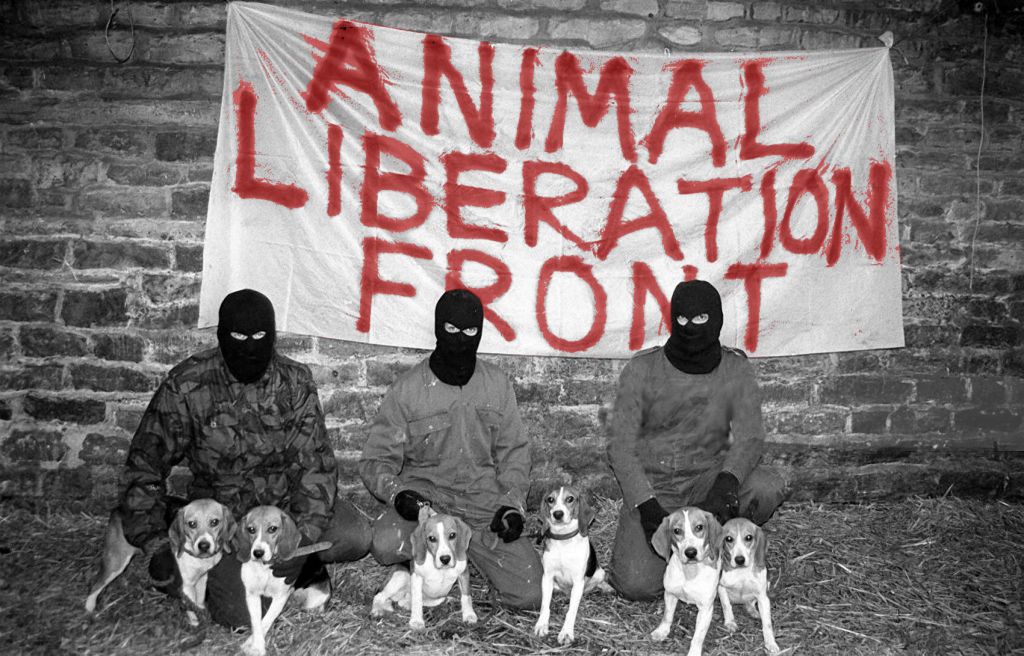
Far-left cyberterrorism is primarily driven by ideological beliefs, particularly around animal rights, environmentalism, and social justice. Groups like the Animal Liberation Front, Earth Liberation Front, and the hacker collective Anonymous are known for their cyber activism. These groups do not conventionally aim to cause physical harm to individuals but target organizations that they believe oppose their core values.
Tactics and Impact
The tactics used in these cyberattacks are diverse and sophisticated. They include denial of service attacks that overwhelm resources and take them offline, web defacements that replace original content with protest messages or leaks, data breaches that involve stealing sensitive information, and doxing, where personal information is released online to incite harassment.
The impacts of these attacks are far-reaching. Not only do they cause economic damage to the organizations, but they also emotionally affect consumers and employees, disrupt services, and potentially lead to long-term reputational damage.
High-Profile Targets
Targets of these attacks are varied and have included major corporations like Dow Chemical, government entities, and industries such as meat production and fashion. The high-profile nature of the internet provides these groups with a platform to amplify their message and cause disruption on a global scale.
The Challenge of Anonymity
One of the most daunting aspects of countering far-left cyberterrorism is the anonymity afforded by the internet. These attackers often operate across borders and can be difficult to trace, making legal repercussions rare. This anonymity also allows for a wide range of individuals to participate in these attacks, from lone-wolf hackers to organized groups.
The Future of Ideological Cyberattacks
Looking forward, it is critical to gain a better understanding of these attacks to prevent future incidents. Researchers like Thomas Holt are delving into the radicalization process of online attackers and the transition from ideological beliefs to cyber action. This research is vital in developing strategies to combat these threats and protect against the economic and emotional harm they cause.
Examples of far-left attacks
- Anonymous Operations: The hacker collective known as Anonymous has carried out numerous cyberattacks and is known for its politically charged messages. They’ve targeted various government and corporate websites over the years. For instance, in 2010, they launched Operation Payback, which was a series of attacks against PayPal, Visa, and MasterCard, in retaliation for these companies refusing to process donations to WikiLeaks.
- Operation Green Rights: Another campaign by Anonymous targeted companies perceived to harm the environment. This included cyberattacks against Monsanto in 2011 for their use of genetically modified organisms (GMOs) and against various oil companies.
- Earth Liberation Front (ELF): Known for its environmental activism, ELF has been associated with various forms of direct action, which have included cyberattacks. In the early 2000s, ELF was suspected of launching attacks against companies and government institutions that they accused of contributing to environmental destruction.
- Animal Liberation Front (ALF): ALF has used cyberattacks as part of its activism against animal testing and other forms of animal exploitation. This has included defacing websites of companies involved in animal testing and releasing personal information about company executives.
- AntiSec Operations: A series of attacks associated with the AntiSec movement, which is connected to Anonymous, targeted law enforcement agencies and government contractors by releasing confidential data to expose and protest surveillance and policing tactics they deemed oppressive.
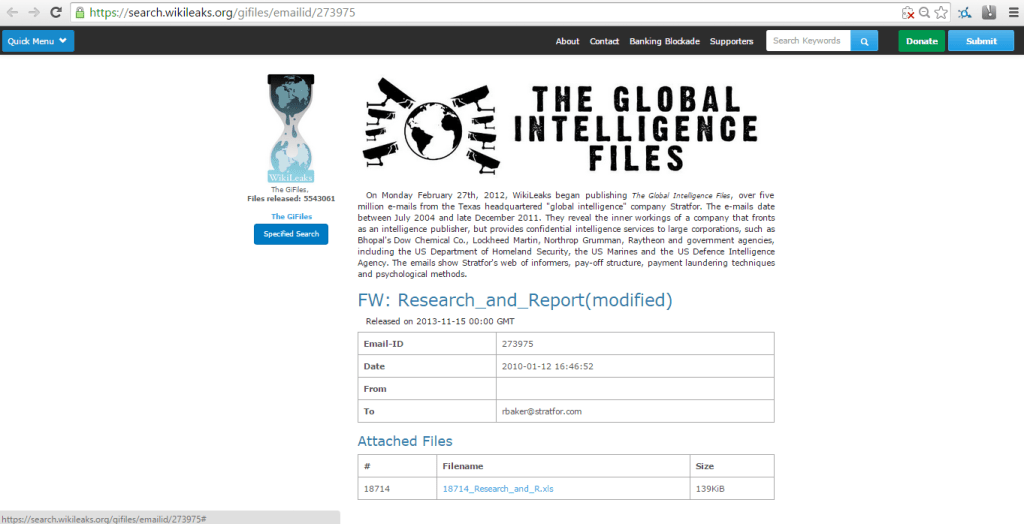
- Stratfor Email Leak: In 2011, Anonymous hacked into the intelligence firm Stratfor’s servers and released millions of emails. This attack was partly politically motivated, with the group claiming it was exposing surveillance of activists and journalists.

Conclusion
Far-left cyberterrorism is a real and present danger that requires more attention and understanding. As these groups continue to adapt and evolve, so must our methods of cybersecurity and law enforcement. Only through comprehensive study and proactive defense measures can we hope to mitigate the risks posed by these ideologically motivated attacks.
For a deeper dive into the subject, I would encourage reading the detailed studies on this topic, such as those by Thomas Holt, which examine the scope and impact of these cyberterrorist incidents, providing valuable insights into their operations and motivations.


 V3ndta Cybersecurity
Leave a comment