
In an era where data is often dubbed as the new oil, digital privacy has taken center stage in the tech world. As we delve deeper into 2023, we are faced with a complex landscape of privacy concerns, driven by advances in technology, data collection practices, and regulatory changes. In this post, we explore some of the most pressing privacy concerns of the year.
1. AI and Machine Learning Algorithms
AI and machine learning algorithms are becoming increasingly pervasive, powering everything from personalized recommendations to voice assistants. However, these technologies often rely on massive amounts of personal data to function, raising significant privacy concerns. Can we really anonymize data in the age of AI? Or will AI always find a way to de-anonymize and uncover patterns that could lead to potential privacy invasions?
2. Quantum Computing and Encryption
While still in its nascent stages, quantum computing poses a potential threat to our current encryption standards. As quantum computers become more powerful, they could potentially decrypt sensitive information protected by today’s encryption methods, leading to unprecedented breaches of privacy.
3. Biometric Data Collection and Use
Biometric technologies have revolutionized how we verify our identities, but they also present new privacy challenges. Biometric data, like fingerprints and facial recognition patterns, are inherently personal and cannot be changed if compromised. The misuse or breach of biometric data could have far-reaching implications for personal privacy.
4. Smart Cities and IoT Devices
The rise of smart cities and IoT devices promise a more efficient, connected future. However, the sheer volume of data collected by these devices could lead to a surveillance-like state, sparking concerns about intrusive data collection and use. With so many connected devices, maintaining individual privacy becomes increasingly challenging.
5. Regulatory Changes and Global Differences
From the EU’s General Data Protection Regulation (GDPR) to California’s Consumer Privacy Act (CCPA), numerous regulations aim to protect consumer data. However, these laws vary widely from region to region, leading to a complex, often confusing, global privacy landscape. Navigating these regulations becomes even more complex with the introduction of technologies such as blockchain, which operates across borders.
Safeguarding Privacy in the Digital Age
Despite these challenges, there are several steps that individuals, organizations, and governments can take to protect privacy:
- Promoting Transparency: Companies should be clear about what data they collect, how they use it, and who they share it with. Consumers should have the right to opt-out of data collection practices.
- Advocating for Strong Regulations: Governments should enact strong, comprehensive privacy regulations and ensure they are enforced.
- Leveraging Privacy Enhancing Technologies: Technologies such as differential privacy and homomorphic encryption can help protect user data while still allowing for useful computations.
- Empowering Consumers: Individuals should be aware of their privacy rights and understand how to protect their data. This includes being cautious about what information they share online and using privacy tools like VPNs and encrypted messaging apps.
These are things we as consumers and more importantly voters must take part in shaping. The internet and rise of portable technology such as mobile phones, tablet computers, wearables and many others have seen corporations and governments moving towards a data collection mindset rather than a privacy mindset.
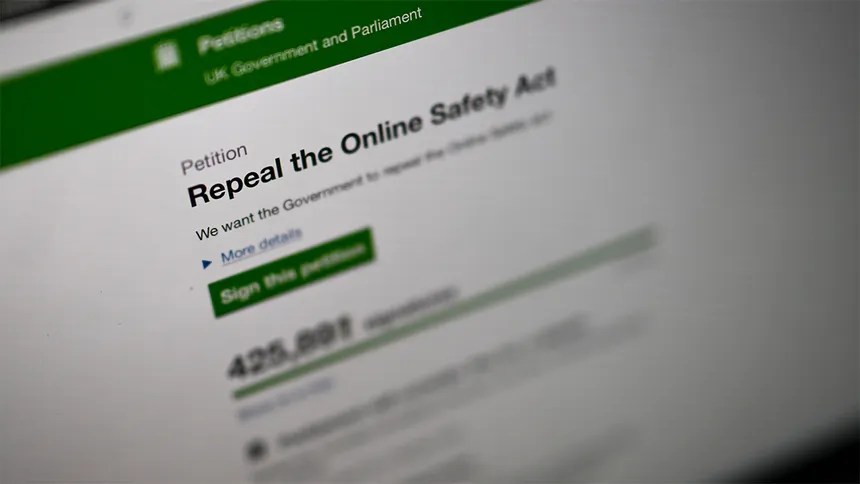
Government’s in the west are terrifyingly moving towards stripping privacy away from people rather than protecting it. The EU is advocating for legislation to be able to read peoples messages and strip away end-to-end encryption. The UK is currently debating the online safety bill that will bring in regulation that will curb free speech and anonymity and the US has the makings of the Restrict act that will do the same thing essentially.

We need to utilise our power and let both our elected leaders know we will not support these regulations and businesses that we will take our money else where instead of handing over all of our data. Fortunately there are growing demands for privacy focused software which we can switch to. The proton eco system is one I myself am heavily invested in and am making it my daily driver instead of Google. Simple switches are easy to make. Need a new email then Proton mail is a great alternative to Google mail as is the Proton calendar. Brave is an excellent web browser over Chrome and Signal has fantastic features that rival WhatsApp.
As we continue through 2023, it’s clear that digital privacy will remain a hot-button issue. As technologies continue to evolve, so must our approaches to protecting privacy. By staying informed and advocating for privacy rights, we can navigate the complex landscape of digital privacy.


 V3ndta Cybersecurity
Leave a comment