
The UK Government’s Online Safety Bill is a piece of legislation designed to protect users, particularly children, from harmful content and activities on the internet, or so the politicians would like you to believe.

The bill was first introduced in 2021 and has gone through various updates since then. The main goal of the bill is to make the internet a safer place by imposing strict regulations on companies that provide online services, as well as holding them accountable for user-generated content that can cause harm.
Key elements of the Online Safety Bill include:
- A new regulatory framework: The bill establishes a regulatory framework to be overseen by Ofcom, the UK’s communications regulator. Ofcom will have the power to enforce the rules and issue fines or sanctions against companies that fail to comply with the regulations.
- Duty of care: Online platforms, such as social media companies, search engines, and content-sharing websites, will have a legal “duty of care” towards their users. This duty requires companies to take reasonable steps to protect users from harmful content and activities, such as cyberbullying, hate speech, disinformation, and child exploitation.
- Categories of harmful content: The bill identifies and defines categories of harmful content, which include both illegal and legal-but-harmful content. Illegal content includes child sexual exploitation material, terrorist content, and hate crimes. Legal-but-harmful content refers to material that is not illegal but can still cause significant harm, such as cyberbullying, disinformation, and promotion of self-harm or suicide.
- User redress mechanisms: Companies will be required to have clear and accessible mechanisms for users to report harmful content and appeal decisions related to content moderation. This aims to give users a greater degree of control over their online experience and a clear path to resolve disputes.
- Transparency reporting: The bill mandates that online platforms publish annual transparency reports, detailing their content moderation practices and the steps they have taken to protect users from harmful content. These reports will be made publicly available to ensure accountability and promote best practices across the industry.
- Fines and sanctions: Ofcom will have the power to issue fines of up to £18 million or 10% of a company’s annual global turnover, whichever is higher, for breaches of the regulations. In extreme cases, Ofcom can also enforce additional sanctions, such as blocking access to non-compliant platforms in the UK.
- Protection of freedom of expression: While the bill aims to make the internet safer, it also emphasizes the importance of protecting freedom of expression. Companies will be required to consider the potential impact on freedom of expression when developing their policies and must ensure that their content moderation practices do not disproportionately limit users’ rights.
- Support for smaller businesses: The bill recognizes that smaller companies may struggle to comply with the new regulations, and thus offers a differentiated approach to enforcement. Smaller companies will have more flexibility in meeting the requirements, and Ofcom will provide support and guidance to help them implement the necessary measures.
The Online Safety Bill is said to be a significant step towards making the internet a safer place for users in the UK. It does this by holding companies accountable for the content they host and imposing strict regulations however this will lead to issues with privacy and free speech.
The main concerns I and many others have are:
- Threat to freedom of expression: Some critics argue that the bill’s broad scope and the duty of care placed on companies could lead to overzealous content moderation and censorship. They worry that in an effort to avoid fines and sanctions, companies might remove content that is not necessarily harmful, thereby stifling free speech and open debate.
- Ambiguity in definitions: Critics have expressed concerns about the vague definitions of “harmful content,” particularly regarding legal-but-harmful material. They argue that this ambiguity could lead to inconsistent enforcement and the potential for companies to impose their own values on users.
- Disproportionate impact on smaller businesses: Although the bill offers a differentiated approach for smaller companies, critics argue that it still places a significant burden on these businesses. Smaller platforms might struggle to implement the necessary measures to comply with the regulations, which could stifle innovation and competition in the online space.
- User privacy concerns: Some critics have raised concerns about the potential impact of the bill on user privacy. For example, the bill could incentivize companies to collect and store more user data in order to enforce content moderation policies, which could potentially be misused or mishandled.
- Algorithmic bias: The bill encourages companies to use automated tools for content moderation, which can be efficient but also prone to errors and biases. Critics argue that this reliance on algorithms could result in unintended consequences, such as reinforcing existing biases or unfairly targeting specific groups.
- International jurisdiction issues: Critics have highlighted that the bill might face challenges in enforcing its provisions on platforms based outside of the UK. Companies that operate globally may not be as responsive to the UK’s regulations, making it difficult to hold them accountable for their content moderation practices.
- Effectiveness in addressing online harms: Some critics question whether the bill will be effective in achieving its stated goal of reducing online harms. They argue that the focus on content moderation might not address the root causes of harmful behavior and that more emphasis should be placed on education and digital literacy.
These concerns are not small by any means and could lead to some unintended consequences that will impact user privacy, free speech and tools they could use to browse the internet.
This means the bill’s focus on regulating online platforms and content could have indirect implications for these technologies.
- End-to-end encryption: The bill’s emphasis on removing harmful content and protecting users could potentially lead to calls for weakening or bypassing end-to-end encryption. The concern is that strong encryption might make it difficult for online platforms to identify and remove harmful content, as they cannot access the content of encrypted communications. While the bill itself does not directly call for undermining encryption, it might contribute to an ongoing debate about the balance between user privacy and online safety.
- VPN use: VPNs are often used to circumvent geo-restrictions and maintain user privacy online. If the Online Safety Bill results in the blocking of certain platforms or services in the UK, VPN use might increase as users seek to access those blocked services. However, the bill does not directly target or regulate VPN usage.
It is important to note that the final impact of the Online Safety Bill on end-to-end encryption and VPN use will depend on the specifics of the enacted legislation and how it is implemented by online platforms and regulators. At present, the bill does not explicitly address these technologies, but the broader implications of the regulations might influence the use and perception of end-to-end encryption and VPNs in the context of online safety.
I am so opposed to this that I emailed my local MP, Charlotte Nichols MP, to try and advise why this bill should be opposed at all costs.
My email to Charlotte Nichols MP:
Dear Charlotte Nichols,
I am writing as a concerned constituent to express my opposition to the UK Online Safety Bill currently under consideration in Parliament. While I understand the intentions behind the bill to protect users, particularly children, from harmful content and activities online, I believe that the proposed legislation has several flaws that may lead to unintended consequences.
Before I move on I will advise that I am a cyber security expert and consider myself to be a privacy advocate. I have 15 years of experience in IT and have consulted with many companies both large and small regarding their cyber security practices. I also teach people to use the internet safely and on how to protect their data from tech companies like Google and Apple.
Firstly, the bill’s potential impact on freedom of expression is a significant concern The broad scope and the duty of care placed on companies could result in overzealous content moderation and censorship. As companies attempt to avoid fines and sanctions, they might remove content that is not necessarily harmful, thereby stifling free speech and open debate. This could set a dangerous precedent and hinder the free flow of ideas and information that the internet has facilitated.
Secondly, the bill’s definitions of harmful content, particularly regarding legal-but-harmful material, are vague and ambiguous. This ambiguity could lead to inconsistent enforcement and allow companies to impose their own values on users, thus affecting the plurality and diversity of voices online.
Another concern is the disproportionate burden placed on smaller businesses. Despite the bill’s differentiated approach, smaller companies may still struggle to comply with the new regulations, stifling innovation and competition in the online space. This could result in a more homogenized and less dynamic internet ecosystem.
Lastly, I am concerned about the bill’s potential impact on user privacy. The requirements of the bill could incentivize companies to collect and store more user data to enforce content moderation policies, which could potentially be misused or mishandled. This is not to mention the potential to outlaw end to end encryption and maybe even the use of VPN software, this alone should be enough to convince the government to oppose the implication of such a bill. The right to privacy especially in this day and age should be upheld with the right to eat, to breath and live a life of freedom.
I kindly request that you consider these concerns when debating and reviewing the Online Safety Bill. I believe that the goals of the bill can be achieved through alternative means, such as promoting digital literacy and investing in education to empower users to navigate the online world safely and responsibly.
I appreciate your attention to this matter and look forward to your response. As a constituent, I am eager to hear your thoughts on the Online Safety Bill and how you plan to address the concerns raised in this letter.
Yours sincerely,
Daniel Boffey
After several days I received a response:
Dear Daniel,
As you know, the Online Safety Bill is currently going through Parliament. The Bill will establish a duty of care on companies to improve the safety of users, overseen and enforced by Ofcom.
I believe the Bill must tackle legal but harmful content, but I am concerned that the current solution to the balance between free speech and regulation will be satisfactory to no one. The Government has adopted an approach which focuses almost entirely on platforms taking down content while not yet specifying exactly what legal harms they will have to address.
I am also concerned about harmful mis- and disinformation online. From COVID-19 anti-vaccination campaigns and Russia’s propaganda machine to climate change deniers, the internet is rife with dangerous disinformation.
I would prefer to see the Bill tackling the business models, systems and policies that drive the impact of such harms rather than going after individual content. Currently, the business models of most social media companies are based on engagement. The more engagement, the more money made, which rewards controversy and sensationalism. Tackling this would strengthen the Bill while addressing questions about freedom of speech.
I welcome measures to tackle anonymous abuse, such as giving people the option to opt out of interactions with anonymous accounts. I also want to see Ofcom regulating based on risk level rather than size, as some smaller platforms can still have significant and harmful effects.
The Government has said that the Bill will require the largest and riskiest services to set out their policies regarding content that is legal but harmful to adults and enforce these consistently, and that users will have access to mechanisms to appeal decisions.
In my view, the Bill is a once-in-a-generation opportunity to target the dangerous elements of the Internet that have real world consequences. I believe it must put in place a robust framework so that everyone, particularly children and the vulnerable, can use the Internet safely.
However, I do believe the current legislation needs strengthening and I know the Opposition will seek to do that throughout the Bill’s parliamentary journey.
Thank you once again for contacting me about this issue.
Yours sincerely,
Charlotte Nichols
Member of Parliament
Warrington North
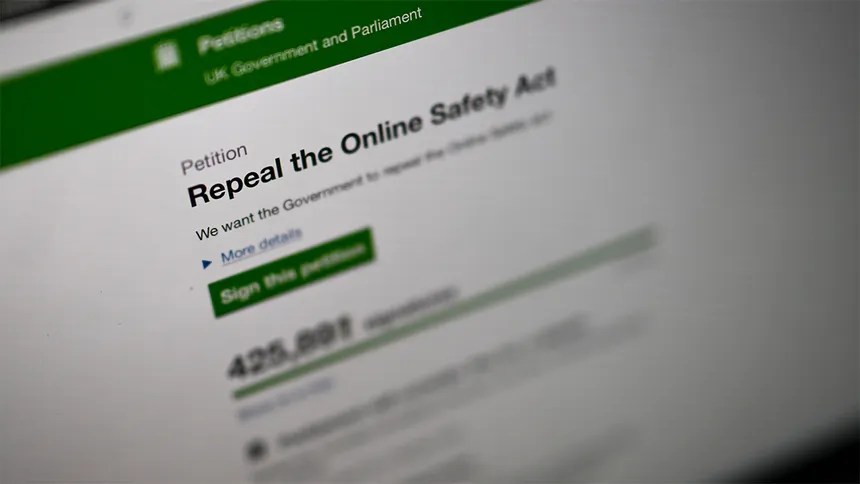
This response is obviously troubling as it shows the opposition in this country is in agreement with the government. They want more censorship and regulation. The internet is a populist tool and it is not up to the government to censor speech. Their excuse in wanting to protect children is pathetic and that is putting it mild. Its a parents job to protect their kids and this legislation will be the first nail in the coffin for free speech in this country and a huge hit to privacy.
I implore anyone with concerns to contact their local MP and voice these concerns in the strongest way possible, in a polite fashion ofcourse. Use this site to find the contact information for your local MP https://members.parliament.uk/members/commons.
This legislation is genuinely terrifying and I hope anyone who reads this will agree and try and do something about it.


 V3ndta Cybersecurity
Leave a comment