
In today’s digital age, we are constantly connected to the internet and our devices, sharing personal information and data with various online platforms. While this connectivity has brought many benefits and advancements, it has also raised concerns about privacy and government intrusion. Governments have access to vast amounts of data and information about their citizens, raising questions about the extent to which governments can collect and use this data. In this blog post, we will explore why government intrusion in privacy is wrong and the potential consequences it can have on individuals and society as a whole.
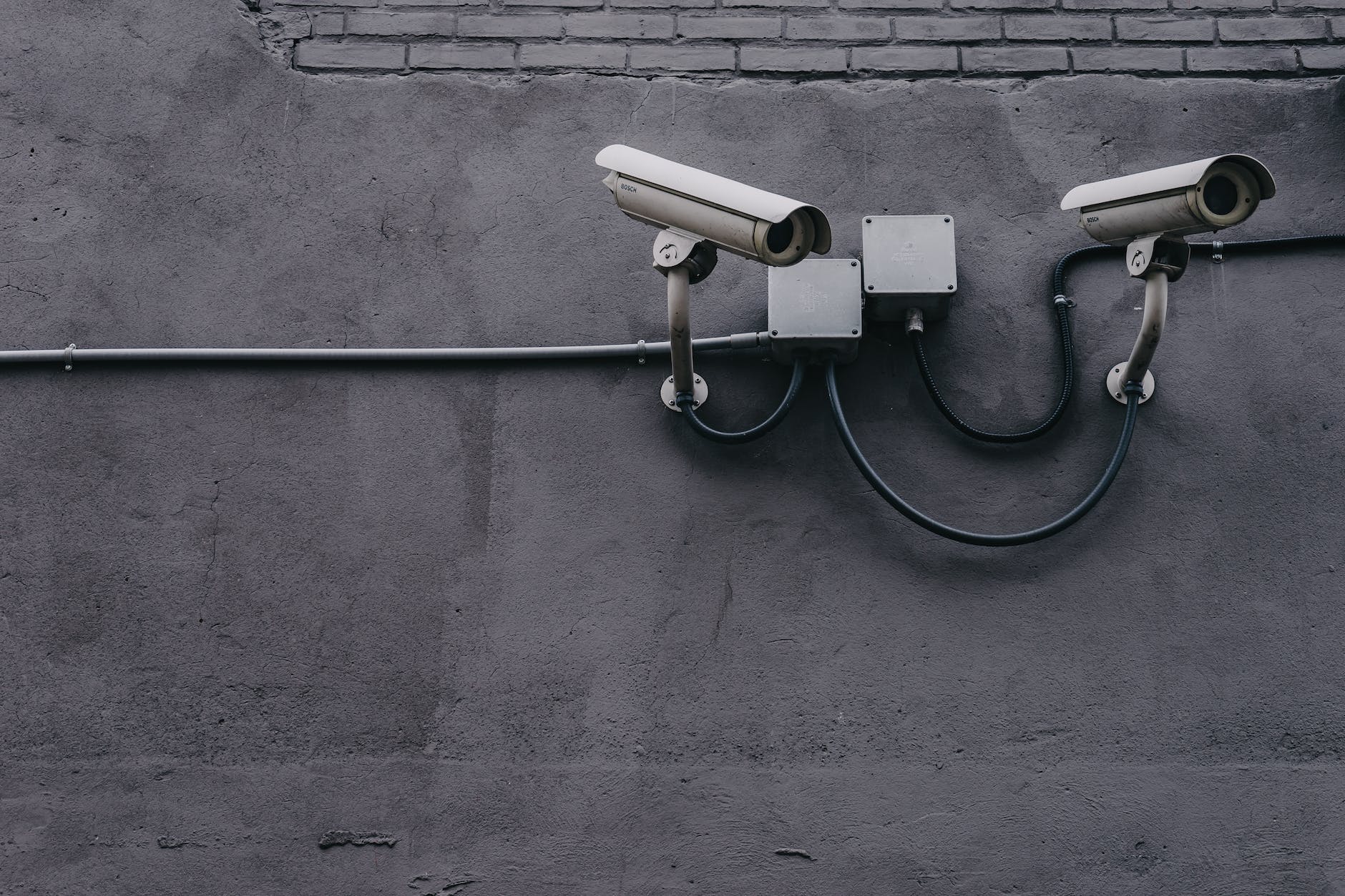
Privacy is a fundamental human right that is recognized by international human rights laws and conventions. The Universal Declaration of Human Rights states that “No one shall be subjected to arbitrary interference with his privacy, family, home or correspondence, nor to attacks upon his honour and reputation. Everyone has the right to the protection of the law against such interference or attacks.” This right to privacy is essential for individual autonomy and dignity, enabling individuals to have control over their personal information and make important life decisions without fear of surveillance or interference.
When governments intrude on citizens’ privacy, they undermine this fundamental right and erode the trust between citizens and the state. There are several reasons why government intrusion in privacy is wrong:
- It undermines democracy:
In democratic societies, citizens have the right to free speech, association, and assembly, which are essential for the functioning of democracy. However, when governments collect data on citizens’ political views, associations, and activities, they can use this information to target individuals or groups that they perceive as a threat to their power. This can lead to a chilling effect on free speech and association, which can undermine the democratic principles that govern society.
- It violates human rights:
Privacy is a human right that is protected by international human rights laws and conventions. When governments violate citizens’ privacy, they are infringing on this right and undermining the basis of international human rights law. This can lead to abuses of power, such as torture, imprisonment, and even extrajudicial killing.

- It harms individual autonomy:
Individual autonomy is a core principle of modern societies. It enables people to make important life choices without fear of interference from the state or others. When governments collect data on citizens without their knowledge or consent, they are interfering with individuals’ ability to control their personal information, protect their relationships, and make important life choices. This can lead to a loss of trust and a sense of powerlessness among citizens.
- It erodes trust:
Trust is essential for the functioning of democratic societies. When governments violate citizens’ privacy, they undermine this trust and create a culture of suspicion and fear. This can lead to a breakdown in social cohesion, which can have serious consequences for the stability and security of societies.
- It is often ineffective:
Governments often argue that surveillance is necessary to prevent crime and terrorism. However, there is little evidence that mass surveillance is an effective tool for achieving these goals. In fact, studies have shown that indiscriminate surveillance can actually hinder efforts to prevent crime and terrorism by overwhelming law enforcement agencies with irrelevant data.
The potential consequences of government intrusion in privacy are significant. Individuals can be subjected to discrimination, harassment, and abuse if their personal information is misused by governments or third parties. Furthermore, the erosion of trust and social cohesion can lead to a breakdown in democratic institutions, which can have serious implications for the stability and security of societies.

It is essential that governments respect citizens’ privacy and other fundamental rights when implementing surveillance programs. This requires a careful balance between security and privacy, which must be guided by the principles of transparency, accountability, and respect for human dignity. Governments must be transparent about the collection and use of personal data, and citizens must have the right to access and correct their personal information.


 V3ndta Cybersecurity
Leave a comment